
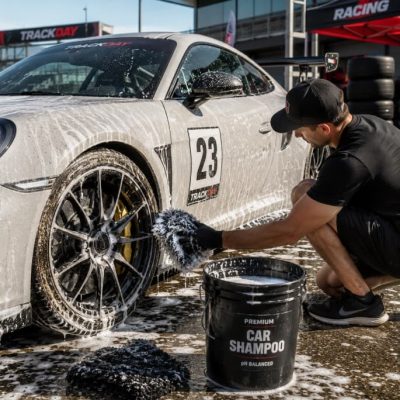
 Few driving experiences place as much stress on a vehicle as a motorsport event. Whether it’s a track day, autocross competition, hill climb, or club race, high-performance driving generates heat, friction, and debris that quickly leave a car looking dirty. One of the most noticeable contaminants is brake dust, which can coat wheels, body panels, and even the rear of the vehicle after just a few laps. Cleaning brake dust promptly is an important part of vehicle maintenance. While dedicated wheel cleaners have their place, a quality car shampoo (autoshampoo kopen) is an essential first step for safely removing dirt and grime. Used correctly, it helps loosen contaminants, protects the paint, and prepares the vehicle for a more thorough clean after a day at the circuit.
Why Motorsport Creates More Brake Dust
Braking is one of the hardest-working systems during any motorsport event. Every time a driver slows the car before a corner, the brake pads press against the discs, creating intense friction. This friction wears away tiny particles of brake pad material and metal from the brake rotors.
Airflow carries brake dust onto side panels, bumpers, doors, and the rear of the vehicle, where it mixes with rubber debris, road grime, and insects. If left untreated, brake dust can become difficult to remove and may eventually stain wheels or damage protective coatings.
What Makes Brake Dust Difficult to Clean?
Brake dust is more stubborn than ordinary road dirt. It often contains metallic particles that cling tightly to painted surfaces and alloy wheels. Heat generated during high-performance driving can also bake these contaminants onto the surface, making them harder to remove with water alone. Aggressive scrubbing might seem like the quickest solution, but it increases the risk of scratching paintwork or damaging wheel finishes. That’s why using the right cleaning products and techniques is so important. A quality car shampoo helps loosen dirt before physical contact, making the washing process much safer.
How Car Shampoo Works
Car shampoo is specially formulated to break down road grime while remaining gentle on automotive finishes. Unlike household detergents, which can strip waxes and protective coatings, automotive shampoos are pH-balanced to clean effectively without harming paint, trim, or sealants.
When mixed with water, the shampoo creates lubricating suds that surround dirt particles and lift them away from the surface. This lubrication reduces friction between the wash mitt and the paint, lowering the chance of creating swirl marks or fine scratches. While a car shampoo may not remove every trace of embedded brake dust on its own, it eliminates loose contamination and makes the remaining residue much easier to address.
Safe Cleaning Starts with a Thorough Wash
After returning from a motorsport event, it’s best to clean the vehicle as soon as possible. Fresh contaminants are generally easier to remove than those left to dry or bake onto the surface. Begin by rinsing the vehicle thoroughly to wash away loose dirt, rubber particles, and surface dust. If available, apply a snow foam pre-wash to soften stubborn grime, then rinse again.
Next, wash the vehicle using a quality car shampoo and a clean microfibre wash mitt. Work from the roof downward, leaving the dirtiest areas near the bottom until last. This approach helps prevent contaminants from spreading into cleaner sections of the paint. The shampoo’s lubricating properties allow the mitt to glide smoothly over the surface while safely lifting away dirt and brake dust.
Don’t Forget the Wheels
The wheels are usually the most heavily contaminated part of the vehicle after a track session. Although car shampoo can remove light surface grime, heavily soiled wheels often require a dedicated wheel cleaner to tackle baked-on brake dust.
Even so, washing the wheels first with car shampoo removes loose dirt and reduces the contamination that stronger cleaning products need to address. It also reduces the risk of abrasive particles being dragged across the wheel finish during scrubbing. Use separate buckets, brushes, and wash mitts for wheels to avoid transferring brake dust onto painted body panels.
Protecting Paint and Wheels
Brake dust contains abrasive particles that should never be allowed to remain on the vehicle for extended periods. Combined with moisture, these particles can become corrosive and contribute to staining or deterioration of wheel finishes over time.
Regular washing with a quality car shampoo helps remove contaminants before they cause long-term damage. Maintaining these protective layers makes future cleaning easier, as brake dust is less likely to bond strongly to the surface.
Pair Car Shampoo with Proper Washing Techniques
Even the best shampoo performs better when used with safe washing practices. The two-bucket method is widely recommended because it helps keep dirt away from the wash mitt. One bucket contains the shampoo solution, while the second holds clean water for rinsing the mitt before returning it to the wash bucket.
This simple technique reduces the amount of grit that comes into contact with the paint, helping prevent swirl marks during washing. After cleaning, dry the vehicle with a clean, high-quality microfibre towel rather than allowing it to air dry. This minimizes water spots and leaves a cleaner finish.
Regular Cleaning Makes Maintenance Easier
Track enthusiasts often find that frequent washing is easier than waiting until the vehicle becomes heavily soiled. Cleaning brake dust after every motorsport event prevents contaminants from building up and reduces the need for aggressive cleaning methods later.
It also provides an opportunity to inspect the vehicle for chipped paint, worn tires, damaged brake components, or other issues that may need attention before the next event. Consistent maintenance keeps the vehicle’s appearance and condition in top shape.
Final Thoughts
Brake dust is an unavoidable part of motorsport, but it doesn’t have to leave lasting marks on your vehicle. A quality car shampoo plays an important role in safely removing dirt, grime, and loose brake dust while protecting the paint and preserving existing protective coatings.
Combined with proper washing techniques, regular maintenance, and dedicated wheel care when needed, car shampoo helps keep track cars looking clean after every event. For motorsport enthusiasts who value both performance and presentation, it’s one of the simplest and most effective products to include in a post-race cleaning routine.
 The Hyundai Creta was never designed to be a full-scale performance SUV. It was built for everyday practicality, comfort, and convenience. Still, modern buyers often want more than basic transportation. They want vehicles that feel engaging, confident, and sporty enough to make regular driving more enjoyable. That is where motorsport-inspired features quietly shape the Creta’s appeal. Alongside the competitive Hyundai Creta price, many drivers appreciate how the SUV combines daily usability with design elements that create a more refined and responsive driving experience.