
Formula 1 engineers can spend thousands of hours refining a car for gains measured in tenths of a second. That obsession with precision has shaped modern motorsport culture, and according to Formula 1, airflow management, weight distribution, and material efficiency remain central to race car development. Those same ideas are quietly influencing the way many people approach interior design at home.
Motorsport fans tend to notice details others ignore. They appreciate clean lines, smart use of space, and objects that serve a purpose without looking clumsy. That mindset explains why more homeowners are paying attention to airflow, structure, and visual balance inside their living spaces. Design choices once associated with garages and pit lanes are now appearing in kitchens, lounges, and home offices. Even functional additions like radiator covers are a good way to improve your home design because they combine appearance with practical performance, much like aerodynamic bodywork on a race car.
Motorsport Precision Meets Home Interiors
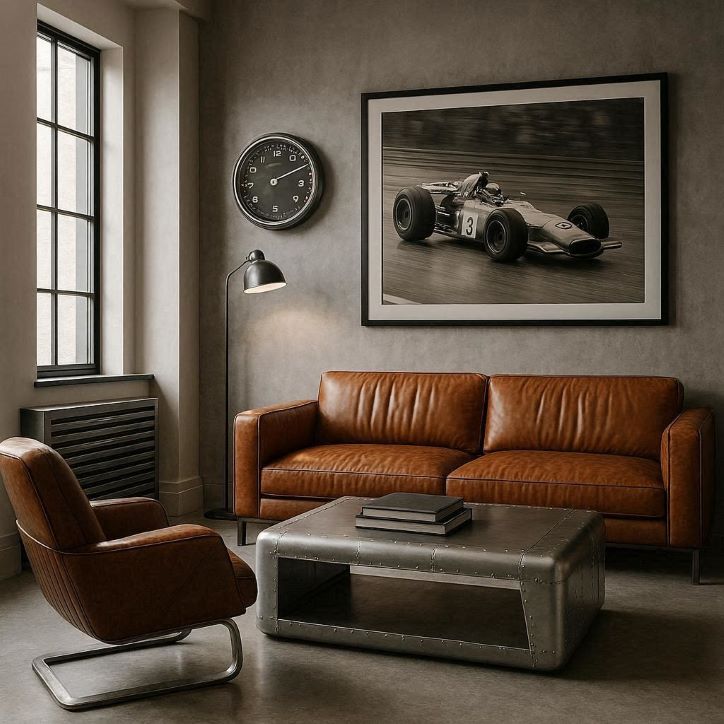
Race teams never treat engineering and style as separate ideas. Every curve on a modern performance car exists for a reason. Vents direct airflow. Carbon fiber reduces unnecessary weight. Cockpits are designed to help drivers stay focused under pressure. The visual identity of motorsport comes from function first, then aesthetics follow naturally.
Home design often works the same way when done properly. A room feels better when movement is easy, storage is efficient, and furniture fits the space instead of overwhelming it. Research from The American Society of Interior Designers shows that organized, visually balanced spaces can improve comfort and concentration. Motorsport fans usually understand this instinctively because they already admire systems built around efficiency.
There is also an emotional connection. Garages have long represented creativity, experimentation, and personal identity. Car enthusiasts spend years refining vehicles, adjusting details, and making spaces feel uniquely theirs. Bringing some of that atmosphere into a home creates a sense of energy that standard interior trends sometimes lack.
Instead of filling rooms with random racing posters and checkered flags, many enthusiasts now prefer subtle influences. Matte finishes, exposed metal accents, structured shelving, and performance-inspired lighting can create a cleaner and more mature look. The result feels intentional rather than themed.
Aerodynamics vs. Airflow in Radiator Covers
Aerodynamics may seem far removed from interior decorating, yet the principle is surprisingly relevant. Engineers shape airflow around a race car to improve cooling and reduce drag. At home, airflow matters for comfort, heating efficiency, and room circulation.
Traditional radiators often interrupt a room visually. They can appear bulky or awkward, especially in modern interiors focused on symmetry and clean design. Covers designed with ventilation in mind solve part of that issue by helping the radiator blend naturally into the room while still allowing heat to circulate effectively.
Experts at Energy Saving Trust note that home heating efficiency depends heavily on proper heat distribution and insulation practices. While radiator cabinets are decorative, thoughtful designs avoid blocking airflow completely. The same philosophy exists in motorsport engineering, where beauty never comes at the expense of performance.
This comparison explains why so many performance-minded homeowners appreciate structured radiator enclosures. They act almost like body panels on a sports car. The mechanical component still performs its task, but the outer design improves the overall visual experience.
There is another parallel as well. Motorsport engineers reduce clutter whenever possible because chaotic airflow reduces efficiency. Interior spaces benefit from similar discipline. Cleaner layouts make rooms easier to navigate and visually calmer. Concealing awkward heating elements contributes to that streamlined appearance.
Why Performance-Inspired Design Feels Timeless
Trends come and go quickly in both automotive culture and interior design. One year everything is glossy white surfaces. The next year darker industrial tones dominate social media feeds. Performance-focused design, however, tends to age more gracefully because it prioritizes usefulness.
That is one reason industrial and garage-inspired interiors remain popular. Materials like brushed steel, dark wood, textured fabrics, and exposed structural details communicate durability. According to Architectural Digest, modern industrial design continues to appeal because it balances practicality with character.
Motorsport fans often lean toward spaces that feel engineered rather than overly decorated. Furniture with visible structure, modular storage, and mechanical-inspired details creates visual honesty. Nothing feels fake or excessive. Every item appears to have a role.
This approach also helps smaller homes. Racing teams maximize limited garage space constantly. Storage systems, fold-away workstations, and compact organization methods all come from environments where efficiency matters. Applying similar thinking at home can make ordinary rooms feel more functional without sacrificing personality.
Even color palettes borrow ideas from motorsport. Deep charcoal, silver, muted reds, and matte black surfaces echo high-performance vehicles while remaining sophisticated enough for everyday living. Used carefully, these tones create a modern atmosphere without turning a house into a showroom.
Garage-Inspired Décor Tips for Motorsport Fans
Motorsport-inspired interiors work best when restraint guides the design. The goal is to capture the spirit of engineering excellence, not recreate a racing pit inside the living room.
Focus on Materials
Metal shelving, wood textures, leather seating, and concrete-inspired finishes create a grounded, workshop-like atmosphere. These materials age well and develop character over time. Designers at Dezeen frequently highlight industrial materials because they combine strength with visual simplicity.
Use Lighting Like a Workshop
Garages and race facilities prioritize visibility. Layered lighting works well at home too. Soft overhead lighting paired with directional lamps creates depth while keeping spaces practical.
Keep Layouts Efficient
Motorsport environments avoid wasted movement. Arrange furniture so pathways stay open and rooms feel purposeful. Clutter disrupts the experience the same way unnecessary drag slows a race car.
Display Passion Selectively
One framed vintage racing print or a carefully displayed helmet often has more impact than covering every wall with logos. Subtlety creates sophistication. Some homeowners also use motorsport-inspired wall murals to introduce energy and movement into a space without making the room feel overwhelming.
Blend Function with Style
Performance culture values objects that work hard while looking sharp. Stylish heating covers, modular cabinets, and streamlined storage pieces follow that same principle. They improve comfort while strengthening the overall aesthetic of a room.
Engineering Aesthetics for Everyday Living
Motorsport has always been about more than speed. It celebrates discipline, innovation, and the pursuit of smarter solutions. Those ideas translate naturally into home interiors because people want spaces that feel efficient, calm, and personal.
The best performance cars never rely on decoration alone. Every detail contributes to a larger system. Homes can benefit from that same mindset. Thoughtful airflow, practical furniture placement, and visually integrated heating solutions all shape how a room feels day after day.
Garage-inspired interiors succeed because they respect both function and atmosphere. Clean lines, engineered materials, and well-designed heating enclosures create spaces that feel intentional instead of cluttered. For motorsport fans, that connection between engineering and comfort feels completely natural.
Precision does not belong only on the racetrack. Sometimes it belongs beside the sofa, under warm lighting, with a perfectly balanced room that runs as smoothly as a championship machine.