
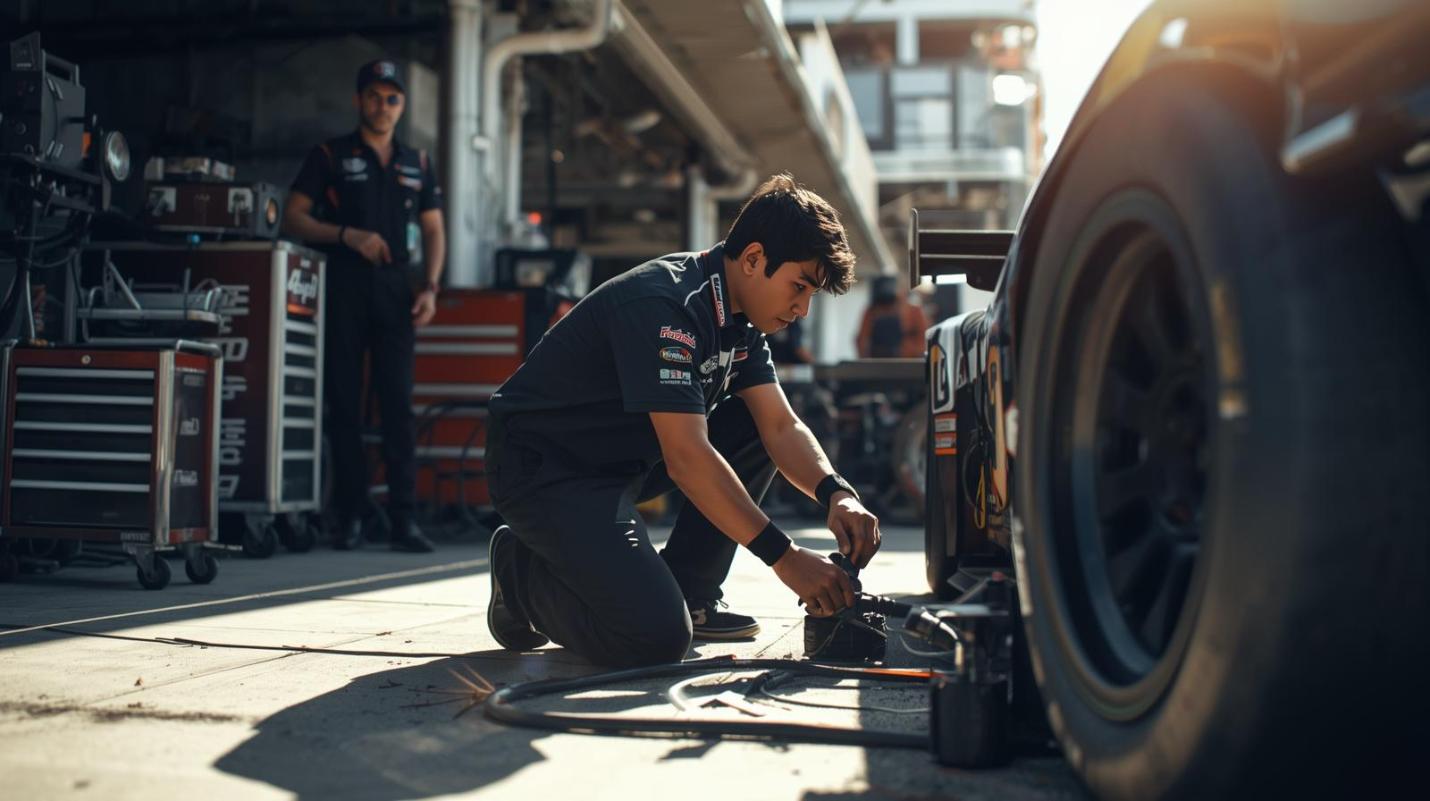
Not too long ago, advanced pneumatic systems were something only top-tier racing organizations could afford. Smaller crews usually relied on patched-together equipment, surplus parts, or improvised fixes that barely survived a race weekend.
That gap is starting to close. Across local motorsport scenes, teams are slowly adopting more dependable systems to improve pit lane coordination and reduce costly mistakes.
One reason behind the shift is the growing availability of affordable pneumatic hardware, including components supplied by AirTAC solenoid valve distributors. What used to feel out of reach for grassroots teams is now becoming part of ordinary garage conversations.
“I think half our setup still comes from old spare bins,” one mechanic joked while cleaning grease off his gloves after a late-night tuning session. “But at least now the system reacts the way we expect.”
That small comment says a lot about how local racing culture is evolving. Reliability is no longer viewed as a luxury. For many crews, it has become part of staying competitive.
Precision Matters More Than Ever
Modern racing is built around timing. A fraction of a second during a tire change or lift adjustment can completely alter track position. Because of that, crews are paying closer attention to the responsiveness of every tool they use, from air systems to lifting equipment and cooling setups inside the garage.
Years ago, many smaller teams had little choice but to work with outdated pneumatic controls that reacted slowly or failed under pressure. Those systems often created confusion during pit stops, especially when crews were already operating in cramped, stressful conditions.
One pit technician recalled how unreliable controls once interrupted a tire change during a local endurance event. “Everyone starts second-guessing each other when equipment hesitates,” he said. “Once we upgraded the controls, the whole crew became calmer.”
That calmer environment matters more than many spectators realize.
Garage Culture Is Becoming More Organized
Grassroots motorsport has always celebrated creativity. Homemade fixes and improvised engineering are still part of the culture, but many teams are now combining that creativity with a stronger focus on consistency and repeatability.
A crew chief from Laguna described younger mechanics as students of professional racing systems. They watch larger organizations closely, then adapt those ideas to smaller budgets and tighter workspaces.
“We’re not trying to imitate Formula racing,” he explained. “We just want cleaner execution every weekend.”
That mindset is changing the way garages approach maintenance and equipment purchases. Instead of constantly repairing unreliable hardware, teams are looking for components that can survive long race weekends without creating extra stress.
Interestingly, many smaller teams are not chasing expensive luxury setups. What they really want is confidence. Drivers notice when a pit crew operates smoothly, and crews notice when they no longer have to worry about sudden equipment failures.
One local driver admitted that entering the pit lane used to make him nervous because he never knew whether something would malfunction during service. After the team improved its pneumatic response system, he said the entire process felt more controlled and predictable.
Small Improvements, Bigger Results
The growing confidence in these systems reflects a broader change happening in local motorsport. Even hobby teams now study workflow timing, crew movement, and response efficiency with surprising discipline.
The gains may look small from the grandstands, but inside the garage they can completely change the rhythm of a race weekend. Reliable systems reduce hesitation, improve coordination, and allow crews to focus on strategy instead of troubleshooting equipment.
That same practical mindset appears in other industries too, especially among people comparing the convenience of ordering performance equipment digitally versus visiting physical suppliers.
Some racers even joke that discussions around smarter sourcing have become almost as common as debates over why buying car parts online is better for busy crews trying to save time before race day.