Local Motorsport Crews Begin Trusting AirTAC Solenoid Valve Distributors for Faster Pit Lane Precision

Racing Maintenance


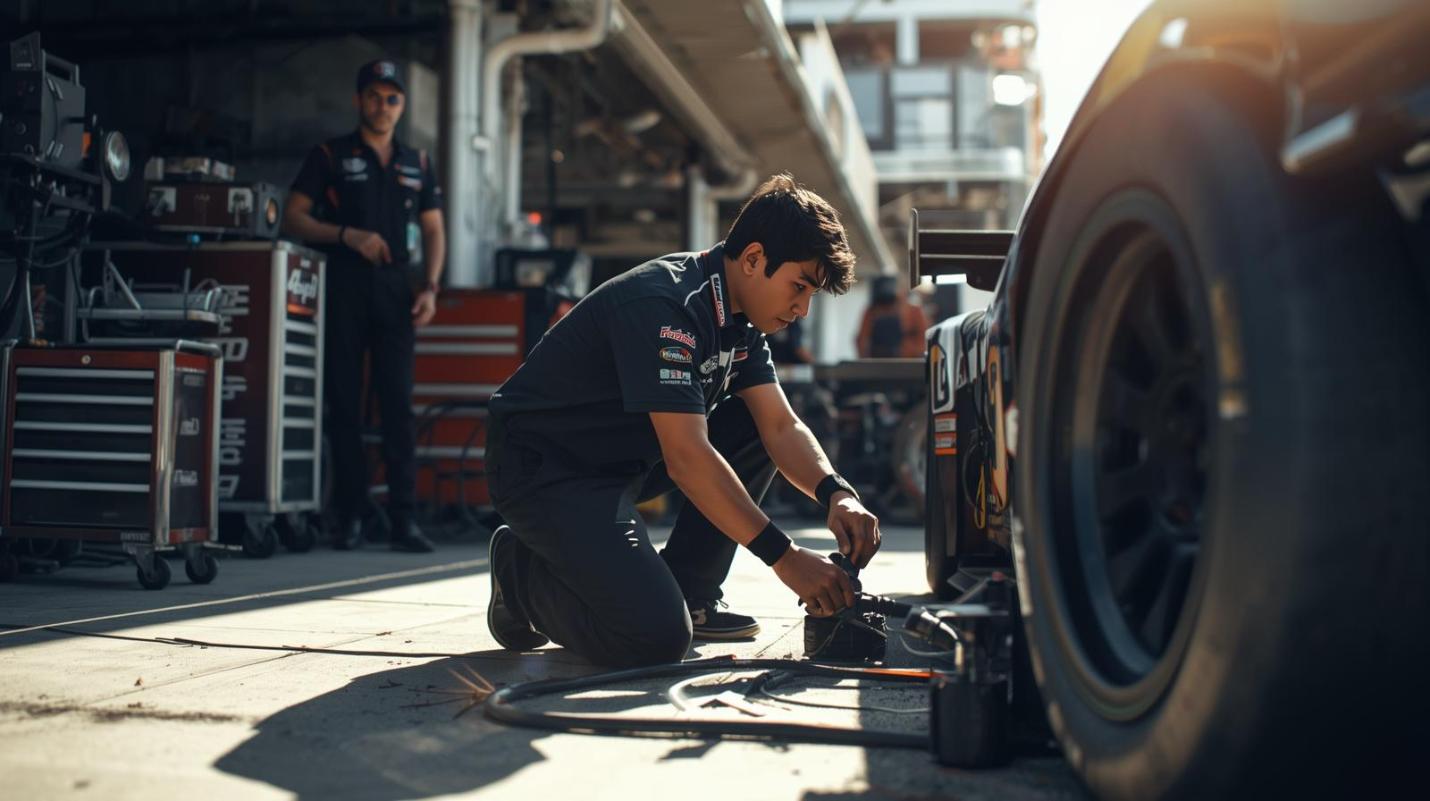
Young mechanic fine-tunes pit equipment beside race car during bright local motorsport event.

Not too long ago, advanced pneumatic systems were something only top-tier racing organizations could afford. Smaller crews usually relied on patched-together equipment, surplus parts, or improvised fixes that barely survived a race weekend.

That gap is starting to close. Across local motorsport scenes, teams are slowly adopting more dependable systems to improve pit lane coordination and reduce costly mistakes.

One reason behind the shift is the growing availability of affordable pneumatic hardware, including components supplied by AirTAC solenoid valve distributors. What used to feel out of reach for grassroots teams is now becoming part of ordinary garage conversations.

“I think half our setup still comes from old spare bins,” one mechanic joked while cleaning grease off his gloves after a late-night tuning session. “But at least now the system reacts the way we expect.”

That small comment says a lot about how local racing culture is evolving. Reliability is no longer viewed as a luxury. For many crews, it has become part of staying competitive.

Precision Matters More Than Ever

Modern racing is built around timing. A fraction of a second during a tire change or lift adjustment can completely alter track position. Because of that, crews are paying closer attention to the responsiveness of every tool they use, from air systems to lifting equipment and cooling setups inside the garage.

Years ago, many smaller teams had little choice but to work with outdated pneumatic controls that reacted slowly or failed under pressure. Those systems often created confusion during pit stops, especially when crews were already operating in cramped, stressful conditions.

One pit technician recalled how unreliable controls once interrupted a tire change during a local endurance event. “Everyone starts second-guessing each other when equipment hesitates,” he said. “Once we upgraded the controls, the whole crew became calmer.”

That calmer environment matters more than many spectators realize.

Garage Culture Is Becoming More Organized

Grassroots motorsport has always celebrated creativity. Homemade fixes and improvised engineering are still part of the culture, but many teams are now combining that creativity with a stronger focus on consistency and repeatability.

A crew chief from Laguna described younger mechanics as students of professional racing systems. They watch larger organizations closely, then adapt those ideas to smaller budgets and tighter workspaces.

“We’re not trying to imitate Formula racing,” he explained. “We just want cleaner execution every weekend.”

That mindset is changing the way garages approach maintenance and equipment purchases. Instead of constantly repairing unreliable hardware, teams are looking for components that can survive long race weekends without creating extra stress.

Interestingly, many smaller teams are not chasing expensive luxury setups. What they really want is confidence. Drivers notice when a pit crew operates smoothly, and crews notice when they no longer have to worry about sudden equipment failures.

One local driver admitted that entering the pit lane used to make him nervous because he never knew whether something would malfunction during service. After the team improved its pneumatic response system, he said the entire process felt more controlled and predictable.

Small Improvements, Bigger Results

The growing confidence in these systems reflects a broader change happening in local motorsport. Even hobby teams now study workflow timing, crew movement, and response efficiency with surprising discipline.

The gains may look small from the grandstands, but inside the garage they can completely change the rhythm of a race weekend. Reliable systems reduce hesitation, improve coordination, and allow crews to focus on strategy instead of troubleshooting equipment.

That same practical mindset appears in other industries too, especially among people comparing the convenience of ordering performance equipment digitally versus visiting physical suppliers.

Some racers even joke that discussions around smarter sourcing have become almost as common as debates over why buying car parts online is better for busy crews trying to save time before race day.

Motorsport-Inspired Features Drivers Can Find in the Hyundai Creta

motorsport

The Hyundai Creta was never designed to be a full-scale performance SUV. It was built for everyday practicality, comfort, and convenience. Still, modern buyers often want more than basic transportation. They want vehicles that feel engaging, confident, and sporty enough to make regular driving more enjoyable. That is where motorsport-inspired features quietly shape the Creta’s appeal. Alongside the competitive Hyundai Creta price, many drivers appreciate how the SUV combines daily usability with design elements that create a more refined and responsive driving experience.
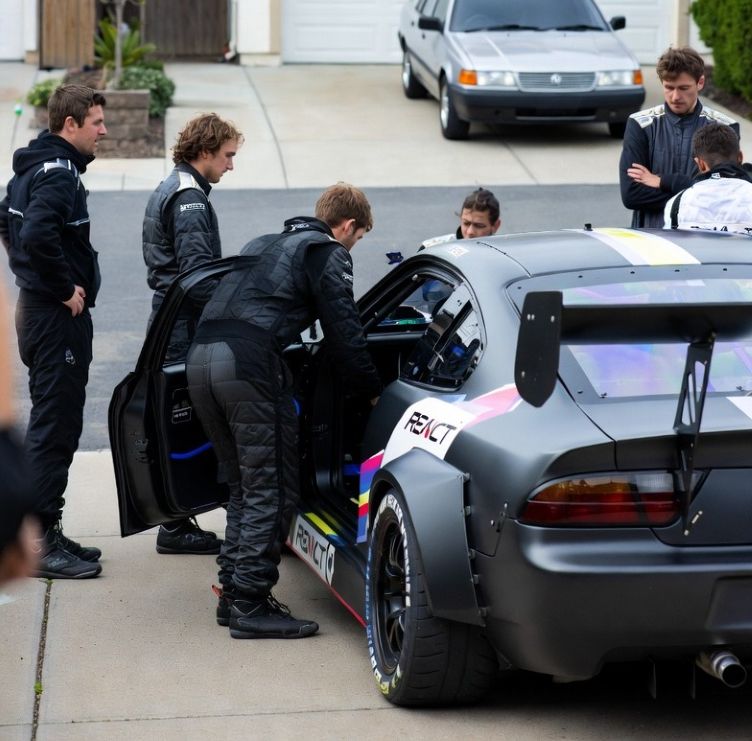
While the Creta is primarily a compact urban SUV, several of its design and engineering choices reflect ideas commonly found in performance-oriented vehicles. These features may not turn the SUV into a race machine, but they improve driver confidence, control, responsiveness, and overall road feel.

Responsive Steering for Better Control

One of the clearest examples is the Creta’s steering setup. Motorsport vehicles rely heavily on responsive steering because precise control matters at high speeds and during quick directional changes. The Creta adopts a lighter, more responsive steering system that helps drivers feel connected to the road without making the SUV difficult to handle in city traffic.
This becomes especially noticeable during lane changes, on highways, and in tighter urban corners. The steering reacts predictably, allowing drivers to maneuver smoothly without excessive effort. Everyday drivers may not describe it as race-inspired directly, but the influence of performance-focused engineering is easy to notice in daily use.

Suspension Tuned for Stability

The suspension tuning also carries some motorsport influence. In racing, suspension balance is critical because it affects stability, grip, and driver confidence. The Creta’s suspension setup is tuned to reduce excessive body roll while still maintaining ride comfort. That balance helps the SUV feel composed in turns and on the highway.
Many compact SUVs prioritize softness, which can make them feel unstable at higher speeds. Hyundai instead aimed for a setup that feels secure without becoming overly stiff. Drivers benefit from better cornering stability and improved confidence on uneven roads.

Drive Modes Inspired by Performance Cars

Another motorsport-inspired element comes from the Creta’s driving modes in certain variants. Features like Eco, Normal, and Sport mode allow the vehicle to adjust throttle response and transmission behavior depending on the driver’s preference. Sport mode, in particular, reflects a concept common to performance vehicles.
When activated, the SUV responds more aggressively to throttle input, making acceleration feel quicker and more immediate. While the actual power increase may be limited, the sharper response noticeably changes the driving experience. It provides drivers with greater engagement during overtaking or spirited highway driving.

Turbocharged Power for Everyday Use

The turbocharged engine option available in some Creta variants also reflects trends seen in modern motorsport engineering. Turbocharging has become common in performance cars because it helps smaller engines produce stronger power while maintaining efficiency. Hyundai applies the same principle in the Creta by offering turbocharged powertrains that deliver stronger acceleration without requiring large-displacement engines. This setup benefits everyday drivers by combining responsive performance with practical fuel economy. Drivers get usable low-end torque for city driving while still having enough power for highway speeds and uphill climbs.

Dual-Clutch Transmission Technology

Transmission technology in the Creta also borrows from performance-focused engineering. Certain versions feature dual-clutch automatic transmissions, often called DCTs. Dual-clutch systems became popular in motorsports and high-performance cars because they offer quicker, smoother gear changes than traditional automatics.
In the Creta, the DCT improves acceleration smoothness and driving responsiveness. Gear shifts occur more quickly, making the SUV feel more energetic during acceleration. For drivers who enjoy a slightly more dynamic feel behind the wheel, this technology adds another layer of engagement.

Sporty Exterior Styling

Exterior styling also contributes to the Creta’s sporty image. Motorsport-inspired design often emphasizes aggressive lines, aerodynamic details, and a planted stance. The Creta incorporates several of these visual ideas without becoming excessive. Its bold front grille, sculpted body panels, LED lighting signatures, and sharp character lines create a stronger road presence compared to older compact SUVs. Some variants also feature sporty alloy wheel designs and contrasting trim elements, further enhancing the performance-inspired appearance.

A Driver-Focused Cabin Layout

Inside the cabin, the influence continues through driver-focused design. Motorsport vehicles prioritize visibility, accessibility, and ergonomic control placement because drivers need quick access to essential functions. The Creta reflects this philosophy with a dashboard layout that feels intuitive and centered around the driver.
Digital instrument clusters, steering-mounted controls, and modern infotainment systems help create a cockpit-like experience. While clearly aimed at comfort and convenience, the overall layout still gives drivers a greater sense of involvement during everyday driving.

Paddle Shifters Add More Engagement

Paddle shifters available in certain automatic variants are another feature rooted in motorsport technology. Paddle shifters originally gained popularity in Formula One and performance cars because they enabled faster manual gear changes without removing the driver’s hands from the steering wheel.
In the Creta, paddle shifters give drivers more control over gear selection when desired. This becomes useful during overtaking, descending steep roads, or simply enjoying a more involved driving experience. Even if most owners use automatic mode daily, having the option adds a sporty character to the SUV.

Advanced Braking and Stability Systems

Braking performance is another area where motorsport principles influence modern road cars. These technologies improve control during emergency braking, on slippery surfaces, and during sudden steering corrections. Drivers may not think about motorsports when using these systems, but they originate from decades of vehicle dynamics development focused on improving stability and safety at higher speeds.

Stronger Chassis and Better Refinement

The Creta’s overall chassis rigidity also contributes to a more confident driving feel. Motorsport engineers place major importance on structural strength because a rigid platform improves handling precision and stability. Hyundai’s modern vehicle architecture helps reduce unwanted vibrations while supporting better road control.
Noise insulation and cabin refinement may not sound performance-oriented at first, but they also matter. A quieter cabin allows drivers to focus better and reduces fatigue during longer drives. The Creta balances refinement with enough road feedback to avoid feeling disconnected from the driving experience.

Blending Practicality With Performance Influence

What makes the Hyundai Creta interesting is how it adapts these motorsport-inspired ideas for ordinary drivers rather than just performance enthusiasts. The SUV does not try to imitate a sports car completely. Instead, it takes selected technologies and design principles from performance engineering and applies them in practical ways.
Drivers benefit from improved responsiveness, stability, comfort, and engagement without sacrificing fuel economy or everyday usability. That combination is one reason the Creta continues to appeal to buyers who want more personality in their daily driving experience.
For many people, enjoyable driving is not about lap times or extreme performance. It is about confidence during a highway merge, smooth control in traffic, responsive acceleration when needed, and a vehicle that feels modern and capable every day. The Hyundai Creta delivers much of that by blending practicality with subtle motorsport-inspired engineering.

From Garage to Living Room: Design Lessons Motorsport Fans Can Apply at Home

motorsport

Formula 1 engineers can spend thousands of hours refining a car for gains measured in tenths of a second. That obsession with precision has shaped modern motorsport culture, and according to Formula 1, airflow management, weight distribution, and material efficiency remain central to race car development. Those same ideas are quietly influencing the way many people approach interior design at home.

Motorsport fans tend to notice details others ignore. They appreciate clean lines, smart use of space, and objects that serve a purpose without looking clumsy. That mindset explains why more homeowners are paying attention to airflow, structure, and visual balance inside their living spaces. Design choices once associated with garages and pit lanes are now appearing in kitchens, lounges, and home offices. Even functional additions like radiator covers are a good way to improve your home design because they combine appearance with practical performance, much like aerodynamic bodywork on a race car.

Motorsport Precision Meets Home Interiors

racing inspired interior design

Race teams never treat engineering and style as separate ideas. Every curve on a modern performance car exists for a reason. Vents direct airflow. Carbon fiber reduces unnecessary weight. Cockpits are designed to help drivers stay focused under pressure. The visual identity of motorsport comes from function first, then aesthetics follow naturally.

Home design often works the same way when done properly. A room feels better when movement is easy, storage is efficient, and furniture fits the space instead of overwhelming it. Research from The American Society of Interior Designers shows that organized, visually balanced spaces can improve comfort and concentration. Motorsport fans usually understand this instinctively because they already admire systems built around efficiency.

There is also an emotional connection. Garages have long represented creativity, experimentation, and personal identity. Car enthusiasts spend years refining vehicles, adjusting details, and making spaces feel uniquely theirs. Bringing some of that atmosphere into a home creates a sense of energy that standard interior trends sometimes lack.

Instead of filling rooms with random racing posters and checkered flags, many enthusiasts now prefer subtle influences. Matte finishes, exposed metal accents, structured shelving, and performance-inspired lighting can create a cleaner and more mature look. The result feels intentional rather than themed.

Aerodynamics vs. Airflow in Radiator Covers

Aerodynamics may seem far removed from interior decorating, yet the principle is surprisingly relevant. Engineers shape airflow around a race car to improve cooling and reduce drag. At home, airflow matters for comfort, heating efficiency, and room circulation.

Traditional radiators often interrupt a room visually. They can appear bulky or awkward, especially in modern interiors focused on symmetry and clean design. Covers designed with ventilation in mind solve part of that issue by helping the radiator blend naturally into the room while still allowing heat to circulate effectively.

Experts at Energy Saving Trust note that home heating efficiency depends heavily on proper heat distribution and insulation practices. While radiator cabinets are decorative, thoughtful designs avoid blocking airflow completely. The same philosophy exists in motorsport engineering, where beauty never comes at the expense of performance.

This comparison explains why so many performance-minded homeowners appreciate structured radiator enclosures. They act almost like body panels on a sports car. The mechanical component still performs its task, but the outer design improves the overall visual experience.

There is another parallel as well. Motorsport engineers reduce clutter whenever possible because chaotic airflow reduces efficiency. Interior spaces benefit from similar discipline. Cleaner layouts make rooms easier to navigate and visually calmer. Concealing awkward heating elements contributes to that streamlined appearance.

Why Performance-Inspired Design Feels Timeless

Trends come and go quickly in both automotive culture and interior design. One year everything is glossy white surfaces. The next year darker industrial tones dominate social media feeds. Performance-focused design, however, tends to age more gracefully because it prioritizes usefulness.

That is one reason industrial and garage-inspired interiors remain popular. Materials like brushed steel, dark wood, textured fabrics, and exposed structural details communicate durability. According to Architectural Digest, modern industrial design continues to appeal because it balances practicality with character.

Motorsport fans often lean toward spaces that feel engineered rather than overly decorated. Furniture with visible structure, modular storage, and mechanical-inspired details creates visual honesty. Nothing feels fake or excessive. Every item appears to have a role.

This approach also helps smaller homes. Racing teams maximize limited garage space constantly. Storage systems, fold-away workstations, and compact organization methods all come from environments where efficiency matters. Applying similar thinking at home can make ordinary rooms feel more functional without sacrificing personality.

Even color palettes borrow ideas from motorsport. Deep charcoal, silver, muted reds, and matte black surfaces echo high-performance vehicles while remaining sophisticated enough for everyday living. Used carefully, these tones create a modern atmosphere without turning a house into a showroom.

Garage-Inspired Décor Tips for Motorsport Fans

Motorsport-inspired interiors work best when restraint guides the design. The goal is to capture the spirit of engineering excellence, not recreate a racing pit inside the living room.

Focus on Materials

Metal shelving, wood textures, leather seating, and concrete-inspired finishes create a grounded, workshop-like atmosphere. These materials age well and develop character over time. Designers at Dezeen frequently highlight industrial materials because they combine strength with visual simplicity.

Use Lighting Like a Workshop

Garages and race facilities prioritize visibility. Layered lighting works well at home too. Soft overhead lighting paired with directional lamps creates depth while keeping spaces practical.

Keep Layouts Efficient

Motorsport environments avoid wasted movement. Arrange furniture so pathways stay open and rooms feel purposeful. Clutter disrupts the experience the same way unnecessary drag slows a race car.

Display Passion Selectively

One framed vintage racing print or a carefully displayed helmet often has more impact than covering every wall with logos. Subtlety creates sophistication. Some homeowners also use motorsport-inspired wall murals to introduce energy and movement into a space without making the room feel overwhelming.

Blend Function with Style

Performance culture values objects that work hard while looking sharp. Stylish heating covers, modular cabinets, and streamlined storage pieces follow that same principle. They improve comfort while strengthening the overall aesthetic of a room.

Engineering Aesthetics for Everyday Living

Motorsport has always been about more than speed. It celebrates discipline, innovation, and the pursuit of smarter solutions. Those ideas translate naturally into home interiors because people want spaces that feel efficient, calm, and personal.

The best performance cars never rely on decoration alone. Every detail contributes to a larger system. Homes can benefit from that same mindset. Thoughtful airflow, practical furniture placement, and visually integrated heating solutions all shape how a room feels day after day.

Garage-inspired interiors succeed because they respect both function and atmosphere. Clean lines, engineered materials, and well-designed heating enclosures create spaces that feel intentional instead of cluttered. For motorsport fans, that connection between engineering and comfort feels completely natural.

Precision does not belong only on the racetrack. Sometimes it belongs beside the sofa, under warm lighting, with a perfectly balanced room that runs as smoothly as a championship machine.

Step-by-Step Guide to Building a Winning Motorsport Brand Online

motorsport

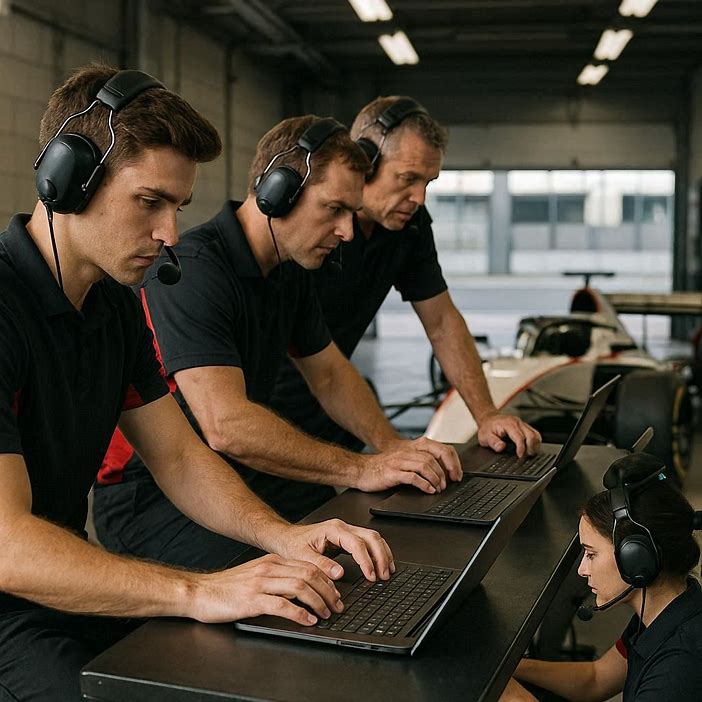
Motorsport team working on laptops inside a racing garage

Motorsport generates billions in global revenue each year, yet many teams remain largely invisible outside race weekends. Data from Statista shows that fan engagement now lives primarily online, where digital presence directly influences loyalty and sponsorship value. The track may decide results, but the internet often decides who gets remembered.

This creates a clear imbalance. Teams invest heavily in performance, yet underinvest in visibility. Closing that gap requires more than occasional updates, it calls for a structured digital strategy. Many organizations now collaborate with experienced partners, including a trusted SEO agency Germany, to strengthen their discoverability and reach. When aligned properly, digital efforts can extend the lifespan of every race moment.

Problem: Motorsport Teams Struggle with Visibility Beyond Race Day

Race day delivers a surge of attention. Cameras, commentary, and crowd energy all converge into a short window of exposure. Once the event ends, that visibility drops sharply. For many teams, this cycle repeats week after week.

Meanwhile, fan behavior has evolved. Nielsen Sports highlights that audiences now follow teams continuously through digital platforms, not just during live events. Fans expect updates, stories, and interaction across the entire season. Without consistent engagement, interest fades and competitors fill the gap.

This pattern reveals a deeper issue. Visibility is no longer tied only to performance, it is tied to presence. Teams that fail to maintain that presence risk becoming irrelevant, regardless of their results on track.

Step 1: Build a High-Performance Website

A website is more than a digital asset, it is the foundation of a team’s identity online. It shapes first impressions and often determines whether a visitor stays or leaves.

Guidance from Google Web.dev confirms that speed and usability directly influence both user satisfaction and search rankings. Motorsport fans often browse in fast-paced environments, sometimes during races, so even small delays can lead to lost engagement.

Building a high-performance site means focusing on essentials:

  • Fast load times supported by optimized media
  • Mobile-first design for real-time access
  • Clear navigation for results, schedules, and news
  • Dynamic content such as video highlights and team stories

Over time, the website becomes a central hub. It anchors all other digital efforts and provides a consistent place where fans can reconnect with the team.

Step 2: Optimize Content with Strategic Search Support

Visibility does not happen by chance. It is built through intentional content that aligns with how people search. Without this alignment, even high-quality content can go unnoticed.

Research from BrightEdge shows that organic search drives a significant portion of web traffic across industries. For motorsport teams, this means that content must be structured in a way that search engines can understand and prioritize.

This is where collaboration with search optimization experts becomes valuable. Whether working with a digital marketing firm or an international SEO consultancy, teams gain insight into audience intent and keyword strategy. These insights help ensure that content reaches the right audience at the right time.

Practical steps include:

  • Structuring content with clear headings and logical flow
  • Using relevant keywords in a natural, readable way
  • Publishing consistent updates tied to races and events
  • Refining metadata to improve visibility in search results

As these efforts accumulate, they create momentum. Content becomes easier to find, and the team gradually builds authority within the motorsport space.

Step 3: Use Data-Driven Campaigns to Engage Fans

Once visibility improves, the focus shifts to engagement. Attention alone is not enough, it must be sustained and deepened. This is where data plays a critical role.

McKinsey & Company notes that organizations using data-driven strategies consistently outperform those that rely on intuition alone. Motorsport teams can apply this by analyzing how fans interact with their content and adjusting accordingly.

Instead of broad messaging, teams can create targeted experiences:

  • Email updates tailored to specific fan segments
  • Content recommendations based on past behavior
  • Campaigns timed around key racing moments
  • Continuous tracking through analytics platforms

This approach shifts engagement from passive to active. Fans feel more connected when content reflects their interests, leading to stronger loyalty over time.

Step 4: Leverage Social Media and Sponsorship Branding

Social media extends the reach of a motorsport brand beyond traditional channels. It offers immediacy, interaction, and scale, all essential in today’s digital environment.

Hootsuite reports that billions of users engage on social platforms daily, creating constant opportunities for visibility. For motorsport teams, this means every post, story, or video can reinforce brand identity.

Effective use of social media involves more than frequent posting. It requires intention. Sharing authentic behind-the-scenes content, engaging directly with fans, collaborating with creators, and integrating sponsors into ongoing narratives all contribute to stronger visibility.

Many of these approaches are explored further through motorsport marketing strategy insights, where direct fan engagement and targeted communication play a central role. These methods help teams move beyond passive visibility and build active, lasting connections with their audience.

Sponsorship branding benefits significantly from this approach. Digital platforms allow sponsors to become part of the story, rather than just a logo on a car. This added exposure increases their value and strengthens long-term partnerships.

Step 5: Track Performance and Refine Strategy

No digital strategy remains effective without ongoing evaluation. Tracking performance ensures that efforts stay aligned with goals and adapt to changing conditions.

HubSpot emphasizes that continuous analysis helps organizations identify what works and where improvements are needed. For motorsport teams, this means turning data into actionable insights.

Key metrics include:

  • Website traffic patterns and user behavior
  • Search engine rankings and visibility trends
  • Engagement levels across social platforms
  • Conversion rates from campaigns and partnerships

Regular review allows teams to refine their approach. Small adjustments, applied consistently, can lead to meaningful long-term growth.

Conclusion: Turning Racing Passion into a Scalable Digital Brand

Motorsport has always been about performance under pressure. In the digital era, that performance extends beyond the track. Teams must compete for attention as much as they compete for podiums.

Building a scalable brand requires a combination of strong foundations, strategic visibility, and continuous refinement. Working with experienced search marketing professionals or digital growth specialists can accelerate this process by providing clarity and direction.

The shift is already underway. Teams that invest in their digital presence are not just expanding their reach, they are redefining how fans experience motorsport. Every race becomes part of a larger narrative that continues long after the checkered flag.

In that sense, success is no longer measured only by lap times. It is measured by connection, consistency, and the ability to stay relevant in a fast-moving digital world.

Tags: motorsport marketing, digital branding, sports SEO, fan engagement, online strategy

Image Prompts:

  • Motorsport team analyzing digital analytics inside a racing garage
  • High-speed race car with overlay of website and SEO data visuals
  • Social media team managing live race updates on multiple screens
  • Behind-the-scenes content creation during a motorsport event
  • Digital dashboard showing fan engagement metrics for a racing team

Review: The article maintains strong coherence with a clear progression from problem to solution, supported by smooth transitions and deeper reasoning. Readability is enhanced through varied sentence structure and more natural phrasing. Grammar remains consistent and accurate, while the tone feels more deliberate, human, and insightful without losing clarity.

From the Pit Lane to the Driveway: Lessons Motorsport Fans Can Learn About Vehicle Care

motorsport

crew inspecting racing car

Windshield damage is more common than most drivers think. According to the Insurance Institute for Highway Safety, proper windshield installation is critical because the glass supports roof strength and airbag deployment during a crash. That tiny rock chip you ignored on Monday? It plays a bigger role in safety than it looks.

Motorsport fans understand the importance of timing. Pit crews react in seconds. Tire pressures are checked constantly. Nothing is left to chance. Yet many of us drive home from the track with a cracked windshield and think, “I’ll deal with it later.” If you follow racing closely, you already respect preparation. Applying that mindset to your daily ride might mean scheduling auto glass repair San Antonio before that small crack spreads across your field of vision during rush hour.

Performance Starts With Inspection

Spend a weekend watching Formula 1 or endurance racing and you’ll notice something almost boring. Crews inspect everything. Again and again. It feels obsessive. That obsession keeps cars competitive and drivers safe.

Your personal vehicle deserves the same energy. Regular inspections are about catching small issues early and understanding why and how to check your car regularly, not sitting around hoping nothing goes wrong. Check your tires for uneven wear. Look at your brake pads. Scan your windshield for chips after highway drives. Listen for strange rattles.

Performance vehicles especially demand attention. If you take your car to track days, stress levels increase. Heat builds up. Speeds climb. Minor flaws grow quickly. A weakened windshield can vibrate more at high speeds. A neglected chip can turn into a long crack after one hard braking session.

I once ignored a small star-shaped chip after a weekend drive. It seemed harmless. Two days later, a temperature shift turned it into a crack that stretched halfway across the glass. Lesson learned. Race teams would never gamble like that. Why should we?

The Daily Driver Is Still Part of the Team

Here is something motorsport fans forget. Your daily car is part of your racing life. It gets you to work. It hauls spare tires. It carries you to the track at 5 a.m. with coffee in hand and adrenaline already pumping.

When that car is sidelined, your plans fall apart. That is where mobile services change the game. Instead of rearranging your week around a shop appointment, technicians can come to your home or office. While you answer emails or watch race highlights, your glass gets fixed. Efficient. Simple. On schedule.

Mobile solutions feel very pit-lane inspired. Quick response. Focused task. Back on the road. For busy enthusiasts who juggle work and weekend events, convenience matters. Searching for auto glass repair San Antonio services that offer mobile support can mean the difference between missing a Saturday track session and arriving right on time.

Modern Cars, Modern Glass, Modern Problems

Windshields are no longer just slabs of glass. Advanced driver assistance systems, often called ADAS, rely on cameras and sensors mounted behind the windshield. These systems power features like lane departure warnings and automatic emergency braking.

Organizations like the National Highway Traffic Safety Administration stress that proper calibration is essential after windshield replacement. If the camera is even slightly misaligned, safety features may not function correctly. That is not a small detail. It is the difference between a system reacting properly or failing when you need it.

Expert glass repair includes recalibration when required. It is technical work. Precision matters. Motorsport fans should appreciate that. After all, race cars depend on telemetry and exact measurements. Your street car may not be chasing podiums, but it still deserves accuracy.

Preparedness Is a Lifestyle

Motorsport culture teaches readiness. Tools are organized. Spare parts are packed. Weather forecasts are checked twice. Drivers walk the track before racing. That mindset translates perfectly to everyday vehicle care.

Keep an emergency kit in your trunk. Monitor fluid levels monthly. Replace wiper blades before rainy season hits. Address windshield damage early. These habits are not dramatic. They are steady. They save money over time. They reduce stress.

And let’s be honest. There is a certain pride in maintaining your vehicle well. It feels good. Like torquing lug nuts to spec. Like hearing an engine run smoothly after a fresh oil change. Small rituals connect us to the machines we love.

From Spectator to Responsible Driver

Watching professional crews operate at lightning speed is thrilling. But the deeper lesson is discipline. They respect the machine. They respect the risks. They prepare for the unexpected.

Applying that discipline at home means acting early when something looks off. It means choosing experienced technicians when safety components are involved. It means recognizing that a windshield is structural, not cosmetic.

If you are serious about performance, carry that seriousness into your daily routine. Schedule inspections. Fix chips before they spread. Use trusted providers for auto glass repair San Antonio when needed. Staying proactive keeps your car reliable for workdays and ready for weekend track thrills.

Racing may happen on the circuit, but responsibility happens in the driveway. Treat your vehicle like it is heading into qualifying every day. Because in a way, it is.

Why MotoMotar Is a Must-Follow for Motorsport Bike Fans in India

motorsport

motorcycle engine with performance details

India is one of the fastest-growing markets for performance motorcycles, with brands like Yamaha, KTM, Honda, and Suzuki regularly introducing new models designed to thrill speed enthusiasts. For fans who want to stay ahead of the curve, MotoMotar has become a go-to platform, offering sharp coverage of sport-bike launches, motocross-ready machines, and the latest updates that matter to racing-minded riders.

What sets MotoMotar apart is its ability to deliver more than just pricing details. Riders can check on road prices easily, but the real value lies in the way the platform connects everyday bikers with the competitive spirit of motorsport. Whether it’s a teaser of an upcoming superbike or a deep dive into performance specs, MotoMotar ensures fans get the full picture before making decisions.

Latest Launches That Keep Fans Hooked

Sport-bike launches in India are events in themselves. MotoMotar covers these with precision, highlighting what makes each new model stand out. From the Yamaha R3’s return to the Indian market to KTM’s updates on the RC series, the platform provides insights into design changes, engine performance, and rider-focused features. Enthusiasts don’t just learn about the bike, they understand how it fits into the larger motorsport culture.

For motocross fans, MotoMotar also tracks machines built for dirt and endurance. Coverage of Honda’s CRF series or Suzuki’s off-road offerings gives riders a sense of how global motocross trends are shaping the Indian market. This blend of road and off-road reporting makes the platform unique, appealing to both track racers and adventure seekers.

What Riders Should Know Before Buying

Buying a performance motorcycle is not just about speed. MotoMotar helps riders evaluate key aspects like handling, braking systems, suspension quality, and long-term reliability. For example, when Kawasaki updates its Ninja series, the platform breaks down how ABS improvements or lighter frames affect real-world riding. This kind of detail ensures that fans don’t just chase horsepower numbers but understand the full riding experience.

Another crucial element is cost. While enthusiasts can always revisit the option to check on road prices, MotoMotar emphasizes the importance of factoring in maintenance, accessories, and insurance. This practical approach makes the platform a trusted source for riders who want excitement without overlooking financial realities.

Connecting Riders With Motorsport Culture

One of MotoMotar’s biggest strengths is how it bridges the gap between everyday riders and the competitive biking world. Coverage often includes comparisons between Indian models and international sport bikes, giving fans a sense of how their machines stack up globally. For instance, when Ducati or Aprilia introduces new sport bikes abroad, MotoMotar contextualizes what those innovations mean for Indian riders. This approach mirrors broader trends in other industries, such as how auto shops are taking advantage of online marketplaces, showing how digital platforms connect enthusiasts with specialized communities.

The platform also taps into the emotional side of biking. Articles and updates often highlight the thrill of acceleration, the precision of cornering, and the adrenaline of motocross jumps. This storytelling approach makes readers feel part of a larger motorsport community, even if they’re riding on city streets rather than racetracks.

Why MotoMotar Stands Out

  • Comprehensive coverage: From teasers to detailed reviews, MotoMotar ensures fans never miss a beat.
  • Balanced insights: It blends technical analysis with practical buying advice.
  • Motorsport connection: Everyday riders gain exposure to competitive biking culture.
  • Accessibility: Easy navigation and clear updates make it user-friendly for all enthusiasts.

Conclusion

For motorsport bike fans in India, MotoMotar is more than just a news source. It’s a platform that captures the thrill of racing while providing practical insights for everyday riders. Whether you’re exploring motocross machines or planning to check on road prices for your next sport bike, MotoMotar ensures you’re informed, inspired, and connected to the world of competitive biking. Following it is not just about staying updated, it’s about embracing the passion that drives the motorsport community.